
Suddora's Blog

Ways to Stay Cool While Running in the Summer Heat
Runners often dread summer.
You even hear negative ideas like, “I just can’t run in the heat” or “Nobody runs well in Summer.” But the fact is that unless you plan to take months off from running, you will need to continue training through the Summer.
Fortunately, with a little planning and being smart, you can not only continue to run in the Summer but thrive. Here are some useful tips for making your summer run more productive and less painful.
Why Running in Heat Hurts
They say, “No pain, no gain,” but often the pain is your body’s way of communicating that something isn’t going well. Your body depends not only on sweat for cooling, but that isn’t the only way you stay cool.
Blood circulation distributes fluids throughout the body for cooling as well. As the heat increases, your body must circulate those fluids faster, creating more work for the heart.
Between 75 and 90 degrees, your heart rate will increase up to 10 beats per minute. That’s a lot of extra work going into keeping you cool rather than simply running.
One of the primary means of reducing body temperature is sweat. Sweat cools the body through evaporative cooling. As sweat reaches the surface of your skin, it evaporates, which cools your body.
But two big obstacles can make this process inefficient.
As your body heat rises, you may produce more sweat than can evaporate, leaving sweat running down your arms, back, and face. Excess sweat does little to cool your body.
With higher humidity, sweat can’t effectively evaporate into the air. This means more sweat is likely to roll uselessly off your body rather than evaporate and help cool you. And as you lose liquids and become dehydrated, your heart has to work that much harder to keep liquids circulating.
How Can I Stay Cool?
Staying cool during summer runs involves planning ahead, being smart, and following through.
Hydration
Proper hydration is the best overall way to improve your running and stay cool in the heat. Hydration starts days before your run, continues through your run, and extends after you finish. Staying properly hydrated for days before your run ensures your body has the blood plasma it needs to easily hydrate your body when demand is high.
Don’t forget to include necessary electrolytes in the days before running as well. In the hour or two before your run, drink plenty of fluids, especially cold fluids, to not only hydrate your body in preparation for your run but also help pre-cool your body. This will help prevent dehydration and give your body time to process fluids before your run begins.
As you run, drink plenty of fluids. Either carry water with you or plan your route around convenient water sources such as water fountains, gas stations, or other places to get fluids. And don’t forget that hydration doesn’t end with your run. Replenishing those fluids you lost in the hours after your run is important for keeping fit for the next run.
Read:
Techniques to Improve Running and Walking Habits
Sport vs. Recreational Exercise (Which Will Get You Better in Shape?)
6 Seriously Good Tips for Running in the Cold
Pre-Cooling
It may seem counterintuitive to take a shower before your run. But a cold shower taken 15-20 minutes prior to running in the heat can be just the thing for keeping your body cool.
Pre-cooling, as it’s known, involves taking steps to cool your body’s core temperature before adding a significant heat load. Studies have shown that pre-cooling can improve your performance, and help you reduce the perceived effort required to run in the heat.
A cold shower and drinking cold water leading up to the run could be just what you need to make your next summer run less painful.
Dress for the Heat
Which is better for running? Tights or shorts? Experts agree that light colored, loose fitting clothes are the best for helping your body stay cool.
In general, you want fabrics that allow air to pass through. This helps sweat evaporate and keeps you cool in the heat. Excess sweat rolling off your face and arms does little to help keep you cool and simply stings your eyes and makes your hands slick.
A good sweat headband can reduce those distractions and keep you cool. As your sweatband absorbs the sweat, it can actually aid in keeping you cool as that sweat has time to evaporate. A sweatband that keeps hair out of your face allows more air to cool your face as you run as well.
Read:
The Best Type of Headbands for Running
Top Tips for Running in the Rain
Revealed: How to Wear a Sweatband The Right Way
Plan Your Run
Sometimes the best course of action is to avoid the heat altogether. Running in the morning or early evening when it is cooler lets you keep up your routine without the punishment of the sun. But if you know you will have to run a race during the heat, planning ahead can help.
It takes about two weeks for your body to really acclimatize to the heat. Begin training in heat at least that far in advance to let your body grow accustomed to the demands of the heat. And remember, proper hydration all through the day will aid your body through this process.
There is no reason why you should have to give up running just because it is getting hot outside. And by planning and taking the proper precautions, running in heat can not only be safe but can improve your total fitness.
By hydrating properly, dressing for the heat, and planning ahead through pre-cooling and other means, you can not only endure summer runs but enjoy them.

Why Do Football Players Wear Wristbands & Armbands?
It goes without saying that football is a true American pastime that many both played and admired. Whether at a pro, semi-pro, or amateur level, it is a great way to exercise and build camaraderie.
Also, it cannot be denied that football is also a very strenuous activity. Due to this fact, the market for football accessories is HUGE.
The Benefits of Football Accessories
Any activity as physical as football can be quite demanding on the players. That is why there is such a demand for various football accessories, from headbands to armbands, football towels, and beyond. There are many excellent tools to work with when dealing with things like the drawbacks of sweat.
While sweating is beneficial as nature's way of cooling you off, it can often become problematic - especially at times of increased physical demand. Therefore, products like head, arm, and wristbands are often utilized.
While playing this all-American sport, something as simple as a pair of great armbands from Suddora can really go the distance, allowing you to keep your hands free of sweat and ready to catch that game-winning touchdown at the next big game.
Can you think of anything worse than dropping the game making ball due to sweaty hands?
Neither can we.
In addition to armbands, wristbands can also be incredible in assisting in preventing those last bits of sweat from running into our palms.
Last but not least, let us not forget the noble head sweat. The headband proves it's worth once again in the game of football. In addition to our hands, we also need our wits and senses about us.
That is why it is so important that we can keep our site free and clear. Thanks to the headband, football players can keep the sweat from their brow and out of their eyes. But let's get back to armbands are their necessity in the game of football.
The Need for Armbands in Football
As we discussed earlier, there are many ways in which one who participates in football can really benefit from some soft and comfy armbands. In fact, if you look at players on the field during a football game, you will notice it is harder to find a player without armbands on than one that does. And if the pros are doing it, you know there is a good reason for it.
Football games are long and hard on the players. It puts stress on basically the entire body, making us sweat from practically every pore. While we cannot protect our every inch during those sport's games, we can, in fact, protect our most important aspect - our hands, of course.
While the game is called football, our hands are what we really need to be a true success. With sweat pouring down your arms, football can become quite difficult. With slippery hands, making a pass or landing a catch becomes a nightmare.
Therefore, armbands are a football player's best friend.
Read: How Arm Sleeves Can Improve Your Game
Football is a hard-hitting game - stability and focus can make or break you. Football sweat armbands help keep your forearm more stable and help you avoid errors by absorbing sweat. These armbands are the same that the pro's wear - comfortable and durable.
The quarterback, wide receivers, tight end, running back, and other positions all take advantage of football sweatbands. Sometimes that quarterback will have an armband with the plays inside of it to aid him during the game. These are commonly referred to as "play wristbands" and make the game run much smoother by holding important information and taking in sweat throughout the game.
Just Like the Professional Players
If you flip on the TV any Sunday during pro football season, you will see many players wearing cotton armbands. They sometimes are wearing the bands for stability. Others are just wearing custom sweatbands with their team's logo for the show. Either way, these sweatbands look awesome - that is why we decided to give you over 9 different colors to choose from. This makes it a lot easier to match your sweatbands up with your jersey or your favorite team's jersey.
Football Sweatbands for Breast Cancer
Many players decorate themselves in pink during the month of October to show their support for the many women around the world suffering from breast cancer. The most popular items to get during this time are breast cancer awareness sweatbands for football. Suddora carries pink wrist sweatbands, pink armbands, pink ribbon bands and will carry pink socks shortly.

What is the Difference Between a Headband and a Sweatband?
Whether you’re an athlete or a fitness enthusiast, if your physical activity gets your heart rate up, you’re bound to sweat, and you need something to guard your eyes and face against it… So what’s the solution? A headband, right? Or wait, maybe a sweatband is the obvious solution?
What’s the difference between the two, anyway?
There used to be an obvious answer to this question, but today, the lines are a little blurred between the two. You would think that in the fight against sweat, a sweat headband would be your obvious answer, but not so much in this day and age. Think of it like this: A headband is a headband but a sweatband is also a headband as well. Today, the two types of bands are basically interchangeable; The difference is in the materials used, the purpose and function of the band, and your preference in style.
Mind you, the evolution of the headband has come quite a long way. The classic headband was and still comes in the shape of a horseshoe comprised of hard plastic, various fabrics, and even metal headbands with teeth... Those headbands obviously weren’t designed with sweat absorption in mind but more so fashion-focused.
Typically when people think of sweatbands, terry cloth comes to mind because that material is highly absorbent for profuse sweating during rigorous physical activities. But because of the advancements in materials between headbands and sweatbands, you can still look good while working out.
Who would’ve thought you could have the best of both worlds in headband/sweatband fashion?
Materials Used
When it comes to headbands and sweatbands, the materials used are going to play a major role in your decision-making process when choosing the right headband or sweatband for you.
Terry cloth is the most common in materials for sweatbands because they’re highly absorbent. But another consideration about terry cloth is that it’s also a material that’s extremely comfortable on the skin, reducing the likelihood of skin irritation. Plus, it’s highly elastic allowing it to properly stay in place.
Cotton is a material that can also hold its own in the absorption department. But when used as a sweatband, it’s not as efficient or effective because it lacks the flexibility and elasticity to stay in place on your head, especially in items like bandanas.
Microfiber is a material that does wonders in the moisture-wicking department, meaning that it quickly moves sweat to the outer surface of the headband all while drying the band so that it doesn’t become overly drenched in sweat.
Purpose and Function of the Band
The standard purpose and function of sweatbands is sweat absorption, but what many people fail to realize is its many functions outside the realm of that. Other purposes and functions of the sweatband include:
Protection from the sun
Keeps sweat out of eyes and face
Keeps hair out of face
Helps regulate body temperature
Makes a fashion statement
One of the biggest frustrations people experience with headbands is the fact that some of them tend to slide off while engaging in physical activities. So, in addition to the functions and purposes above, it’s also important that you look for headbands that are non-slip as well, for added comfort and security on your head. Without the non-slip grip, you’re more likely to lose concentration due to constantly having to readjust your headband.
Preference in Style
Headbands do make more of a fashion statement because of the wider variety of styles. You have tapered headbands, tie headbands, skull wrap headbands, and many, many more different options to choose from in terms of style. Sweatbands made from terry cloth come in many different designs, like your favorite color, sports team, and other designs but aren’t typically found in the different styles like headbands.
When it comes to choosing the right headband or sweatband for you, you really can’t go wrong with either. But you also don’t want to just opt for the first one you see. You, of course, want to find a band that resonates with your own personal style, but that can’t be your sole determiner. Materials used and purpose and function will also play a significant role as well.
If your workouts are mostly outside, then you’re going to not only want a headband that’s lightweight and breathable but you’ll benefit even more if you found one that also offers sun protection.
At Suddora, we have headbands and sweatbands that allow you to live your best life doing all the physical activities you love and look good doing it, proving that you can have the best of both worlds. Head over to our headbands collection page to see our wide selection of bands for you to choose from.

What are Sweat Wristbands For?
One might think that the answer to this question is “For sweaty wrists!” And while there is a bit of humor in that response, you have to take some seriousness in the matter and see that sweat wristbands actually serve a very important purpose in your fitness or physical activity routine.
There are, of course, many different types of wristbands to choose from but we want to ensure you’re well-informed and educated on sweat wristbands before making your purchase. In this article, you’re going to learn everything you need to know about wristbands and their purpose.
Why Wear Sweat Wristbands?
Prevents Your Hands From Being Sweaty/Wet
In the most basic and most practical sense of its purpose, it prevents your palms from being wet and sweaty. This is actually very important in sports, whether you’re playing basketball, tennis, or football.
If you think about just how much your body will sweat when overexerting yourself in such an intense sport where the use of your hands is required, you’ll quickly find out the importance of these bands. Things like swinging your racket with intensity or catching a pass can be impossible when your hands are wet.
It’s also not uncommon to see gymnasts rocking wristbands as well. A sweaty palm can make for a terrible accident when swinging on the uneven bars.
Easily Wipe Sweat From Face Without Needing a Towel
You’ve probably been to the gym and seen people walking around with a small towel, right? It’s not an uncommon sighting. But people carry these towels around with them to wipe themselves off once their sweating becomes profuse.
The face is usually the first place people start to experience sweat when they engage in physical activities that raise their heart rate. So, instead of reaching for a towel or making the mistake of leaving it somewhere, you can have your towel sitting right on your wrist. A simple raise of your hand and you’re instantly redirecting your sweat from your face to your wristband.
Wear Them As a Fashion Statement
Denis Rodman’s fashion statement was his hair (among many other things), Horace Grant had his goggles, and Wilt Chamberlain rocked the headband. So even if you’re not working out, you can wear wristbands to make your own statement. At Suddora, you can actually make your own statement by making your own custom sweat wristbands. Maybe you want to put your company logo on there or your initials… But whatever statement you’re trying to make, we can help you say it loud and clear.
Help Regulate Body Temperature
Sweating is your body’s natural reaction to an increased heart rate so allowing a sweat wristband to catch the sweat your body is producing, is actually helping you to regulate your body temp. Water, of course, can and will be most people’s go-to, but when you’re out running, you’re not going to always be able to carry a water bottle around with you… A sweat wristband is going to be your best option in that scenario for regulating your body temperature.
Added Support For Your Wrist
You may not know this but the wrist is comprised of eight small bones called the carpal bones, and also two long bones called the ulna and radius bones. These bones are joined together to form your wrist. Out of your carpal bones, the scaphoid bone is the one most commonly injured. A sweat wristband will provide the added support to protect those bones during rigorous activities.
But, with that, it’s also notable to mention that these wristbands not only provide support during rigorous activities, but they also provide that needed support during more sedentary activities as well. What you may not realize is that carpal tunnel disease is a condition you can get simply from sitting at a desk and typing all day.
This disease isn’t caused by rigorous activity at all, but the way you position your hand can put a lot of strain on your wrist. A wristband can give your wrist the cushion and support it needs to prevent wrist pain from happening. Now, we can’t really speak about the boredom you may feel from staring and typing at a computer all day, but wristbands can sure provide support for your wrists from it!
At the end of the day, wristbands aren’t merely “sweat catchers”... They do indeed serve multiple purposes that go from active lifestyles to sedentary work environments. We hope this article painted a vivid picture of the purposes and uses of sweat wristbands to help you make a more educated and informed purchase decision.
For wristbands, headbands, and more, check out our collections page!
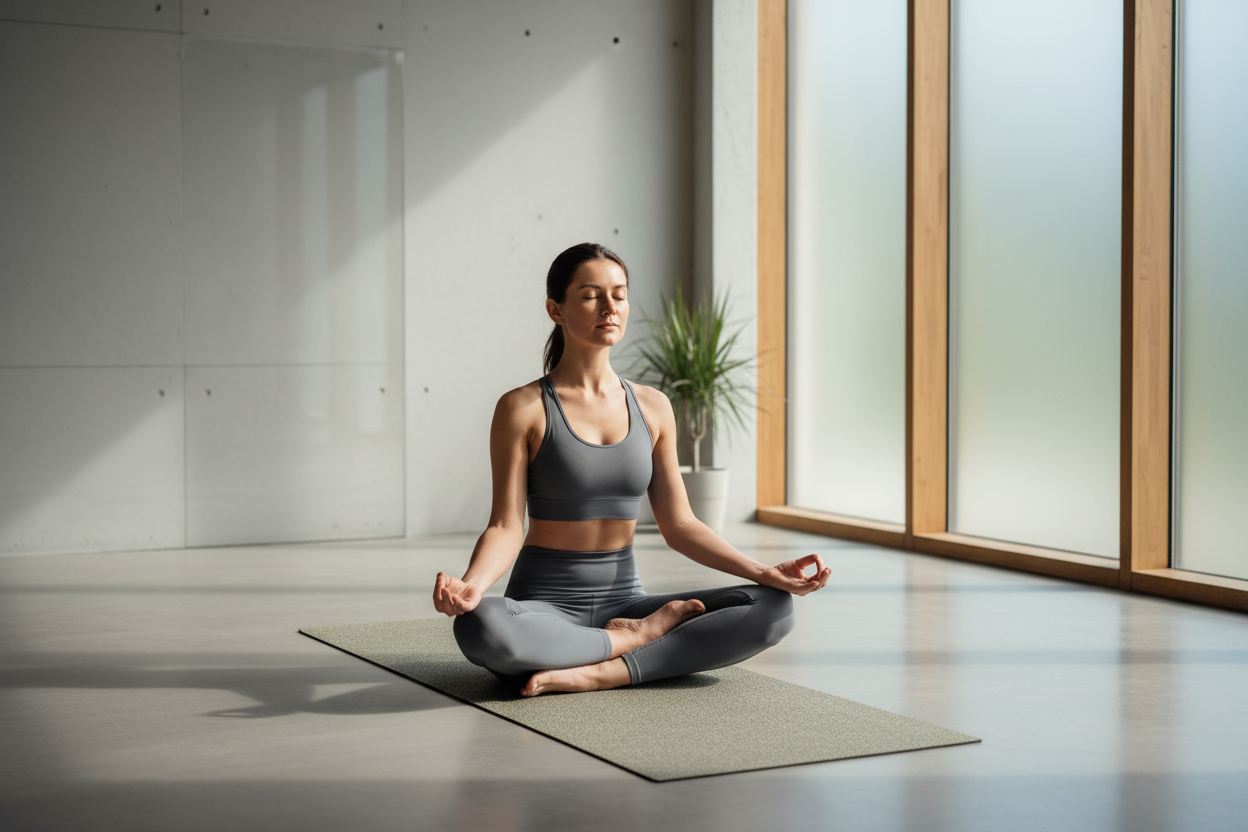
Relax Your Body & Mind With Yoga
Tired? Tense? You aren’t alone. Stress related illness is a growing problem and more and more of us are succumbing to the strains of modern living. While the progression of communication technology has its advantages, the constant pressure of 24/7 connection to the world can become a source of health complaints including insomnia, depression and fatigue. One solution that many people are turning to in an effort to find blissful relaxation is yoga.
What is Yoga?
The origins of yoga are lost somewhere in the mists of time and nobody knows who was the first yoga master or where they came from. However, artifacts depicting yoga moves (asanas) which were found in the Indus Valley were dated to be at least 5,000 years old, proving that yoga is a truly ancient practice. In its purest form, yoga is a spiritual discipline which encompasses an entire lifestyle and the word yoga itself comes from the Sanskrit yuja which roughly translates as union between body and mind. Yoga made its way to the Western world in the 1960s, becoming popular with the hippie movement and strongly associated with the free-living“flower child” way of life. Today, yoga is losing that reputation as studies into the effects of this activity show that it has numerous health benefits.
The Benefits of Yoga for Relaxation
While yoga was originally, and still is for many, a deeply spiritual practice that goes far beyond physical exercise, you don’t have to follow a yogic lifestyle to enjoy the benefits that the various asanas can offer. Performing relaxing yoga moves helps to release built-up tension (both physical and mental) and has been found to lower levels of the stress hormone cortisol. Yoga poses can also help to stimulate the function of your internal organs, reduce blood pressure and improve sleep quality. Many people also say that following a simple, relaxing yoga routine helps to calm their mind, giving them the mental space needed to come up with solutions to concerns in their everyday life.
Simple Relaxing Yoga Poses to Try at Home
If you want to experience the benefits of yoga at home, then why not try these three simple poses. You don’t need to shell out on any expensive equipment, although a folded blanket is nice to have, if you don’t already own a yoga mat. Dedicate between ten and fifteen minutes each day to moving slowly through the poses – preferably in the evening as part of your bedtime routine. Remember that before starting any new exercise program you should consult with your doctor for advice and never push yourself into a pose which feels uncomfortable.
The Mountain Pose – Tadasana
The Mountain Pose helps to align your spine and improves posture, while creating a sense of physical and mental equilibrium.
Stand with feet parallel and legs hip-width apart.
Keeping your legs loose and knees soft, gently pull your tail-bone in and lift your head away from your shoulders. Find your centre of balance, rocking on your feet a little to get a strong stable base.
Practice slowly inhaling and exhaling without forcing or controlling your breath. Hold the pose for 3 minutes or as long as you feel comfortable.
The Childs Pose Balasana
The Childs Rose refreshes and rejuvenates the whole body and creates a sense of security and comfort.
Start by kneeling on the floor and sitting back so that your thighs are on top of your calf muscles.
Bend forward and down, ensuring that the movement comes from your hips. Your forehead should come to rest on the floor, with your body supported by your thighs. If this is uncomfortable, you can place a small pillow on top of your thighs.
Place your arms to your sides, with your hands facing up. Breathe deeply and relax for a minute in this position.
The Corpse Pose – Shavasana
Complete this short sequence of movements with the Corpse Pose which will help you achieve complete relaxation.
Lie on your back on the floor with your legs at hip-width apart, arms to the sides and hands open.
Starting at your feet and working your way up through the body, focus on each set of muscles, relaxing and feeling tension release. Breathe deeply into your abdomen, each inhalation making you feel more and more relaxed. Hold this pose for between five and ten minutes, or longer is desired.
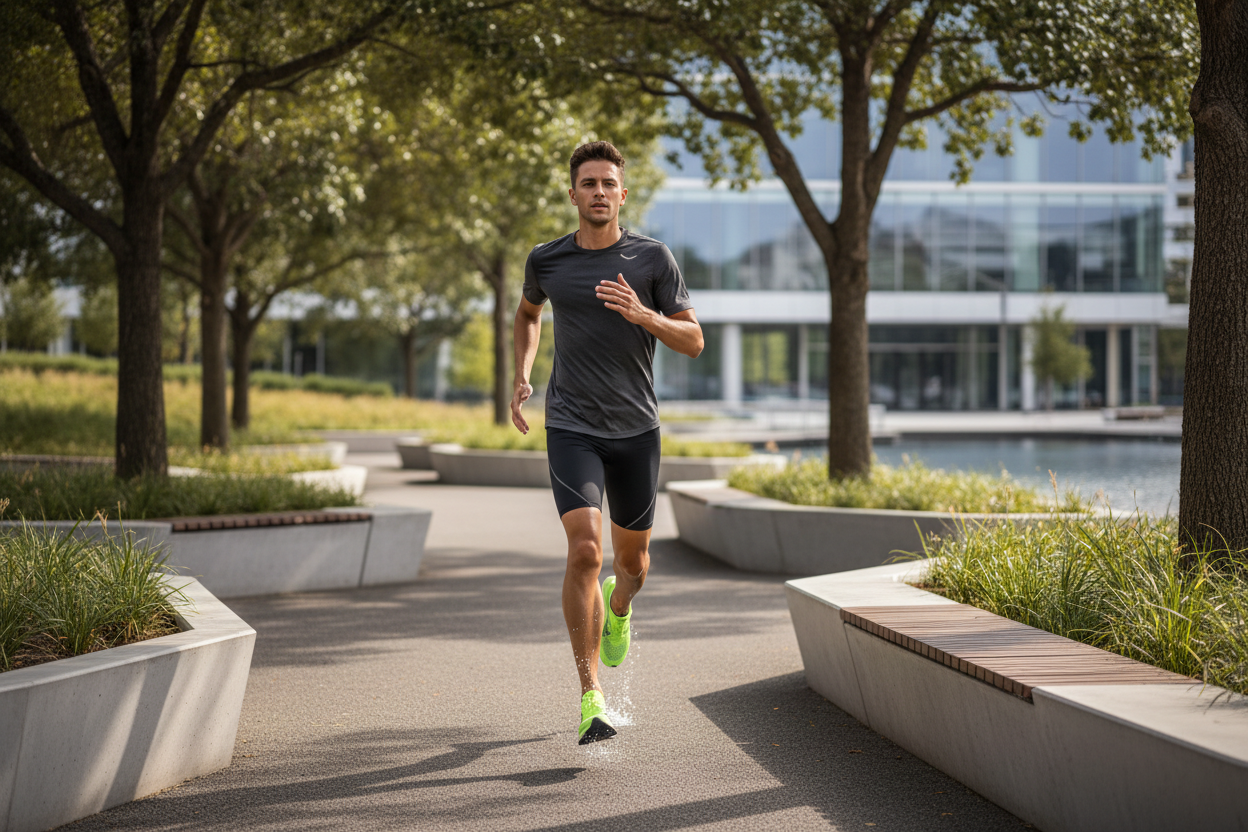
Running Can Change Your Life – Here’s How
Are you looking for a good reason to take up running? Hesitate no longer, read on, and discover not one but five great ways that running can change your life.
Fitness
The most obvious way that running can change your life is by improving your fitness and health. Burning between 186 and 340 calories every twenty minutes, running can aid weight-loss and reduce the risk of illnesses connected with carrying excess body-weight. Running regularly will also tone muscles, reduce blood pressure and strengthen the respiratory system, as well as building stamina and heightening energy levels. These combined health benefits are something which runners will enjoy not just while training but throughout their life, making everyday tasks easier and more enjoyable.
The motivation for Healthier Lifestyle
One life-changing effect that many runners discover for themselves is the desire to make healthier choices throughout their lives. An improved sense of well-being linked to increasing fitness levels tends to make lounging on the sofa staring at the television into less of an appealing after-work activity. Eating fatty, heavy meals suddenly seems unappetizing. By allowing these natural urges to live better to guide you, running can have multiple benefits in all elements of your life.
Be Part of A Community
While running is a perfect workout to do alone, many people find that getting involved with the sport becomes a way of connecting with people in their neighborhood and beyond. The running community is world-wide, and when you start running, you’ll soon see others going out and doing the same as you. Start chatting with other runners, and you’ll soon have a group of supportive friends to encourage you as you train. You can also use your hobby of running to change the lives of others. Sponsored runs and charity races are a great way to draw attention and bring funds to good causes. Why not use your personal fitness goals to make our world a better place?
Goals & Challenges
Talking of goals, another life-changing “side effect” of running is the many skills you learn while aiming to reach yours. Setting challenges for yourself requires discipline and commitment, perhaps especially so when you are starting out and getting to the corner of the block feels like a marathon.When you attain your goals, you get a sense of achievement, which, like fitness, you will carry through into your daily life, building your ambition to reach for bigger and better things. That lesson that working hard does bring results is one that many of us need reminding of from time to time.
Get Closer to Nature
Whether you live in the country-side or train in your local city park, running is a great way to get closer to nature. Spending long hours indoors can make us feel disconnected from the seasons and the world around us, so getting out there and feeling the weather, seeing the changes in the trees and the scenery throughout the year can prove an antidote to what is lacking in the modern lifestyle, as well as reducing stress.

Suddora Biker Headbands: Keep the sweat out of your eyes!
If you are a biker, chances are that you have experienced the frustration of not having a headband to keep your hair out of your face.
This is where biker headbands come in! They keep sweat from dripping into our eyes and they stop fly-aways too. The headband has been around for years and it continues to be a staple in bikers’ lives because of its usefulness. In this post, we will discuss some Suddora headbands; what they do, and why they work great for both men and women riders!
Motorcycle Headbands for Women
A motorcycle headband is essential to a female biker. Whether you have long or short hair, the headband will keep your hair out of your eyes making riding much more enjoyable and reducing road noise! Some motorcycle bikers use a bandana instead of a regular biker headband but for women, that is not recommended because it can get hot on our necks and make us uncomfortable.
4 Reasons Why Headbands are Beneficial to Bikers
They help us avoid sweat dripping onto our face while we ride. Few people enjoy the feeling of having wet hair when it is hot outside!
Headbands keep our hair from getting messy, which is a great thing because biker headbands have the ability to stay nicely in place.
Prevent fly-aways - biker headbands are made to be snug and they keep hair from moving around.
Protecting the face - we have a lot of wind when riding, especially for women bikers! The biker's headband will also protect your skin from sunburn or any other irritation.
A biker headband enhances your riding experience. These accessories, when used properly, can make your life much easier on your next voyage.

Beat the Heat!
5 Proven Strategies to Beat the Heat: Your Guide to Reducing Sweat
Stay Hydrated:
Remaining hydrated is one of the easiest, yet most efficient, ways to reduce sweat. By staying hydrated, you can control your body's temperature and avoid perspiration too much. Make sure you consume eight glasses of water or more if you're participating in physically demanding activities or spending time in hot conditions. To stay hydrated and replenish lost minerals, try adding electrolytes to your water.
Choose Breathable Fabrics:
Your clothing choices can significantly affect how well your body regulates temperature and reduces perspiration. Choose airy, breathable materials like cotton, linen, or moisture-wicking fabrics to promote rapid evaporation of moisture and air circulation. Steer clear of clothes that are too tight on you since this might trap moisture and heat on your skin and increase sweating. Even on the warmest days, you may stay cool and comfortable by dressing appropriately.
Use sweatbands to help remove sweat:
At SDRA we only use high-quality materials that are the best way to keep your cool and stay focused during hard workouts or activities outside. Our sweatbands are made from high-quality materials that wick away moisture, so they effectively soak up and remove sweat, keeping it away from your eyes and face so you can stay comfortable and focused on your fitness goals. Our sweatbands are made to be as durable and breathable as possible. They also have a tight fit that stays in place, so you can move around easily without any problems. You can confidently push yourself to your limits when you wear SDRA sweatbands because you know that sweat won't get in the way of your performance.
Use Antiperspirants:
An effective way to minimize body odor and reduce sweating is to use antiperspirants. Seek for deodorants that contain chemicals derived from aluminum, as these act by temporarily obstructing sweat ducts and lowering the quantity of perspiration that comes in contact with the skin. For best results, apply antiperspirant to clean, dry skin before bed and let it work all night to form a barrier against perspiration. Based on your needs, select items made especially for your hands, feet, or underarms.
Stay Cool and Well-Ventilated:
Reducing sweating and avoiding overheating can be achieved by maintaining a cool and well-ventilated atmosphere. To circulate air and keep a pleasant temperature indoors, particularly in hot weather, use fans or air conditioning. When you're outside, look for shade, cover yourself with a hat with a wide brim, and remain cool by using portable fans or misting devices. Steer clear of direct sunlight during the hottest parts of the day to further lower your chance of heat-related diseases and excessive perspiration.
It's not always necessary to fight to control excessive perspiration. Even in the hottest of weather, you may minimize perspiration, maintain comfort, and take advantage of everything life has to offer by incorporating these five techniques into your daily routine. Taking proactive measures to minimize perspiration will leave you feeling confident and prepared to face the challenges of the day, whether it's through stress management exercises, proper clothing selection, or internal hydration.
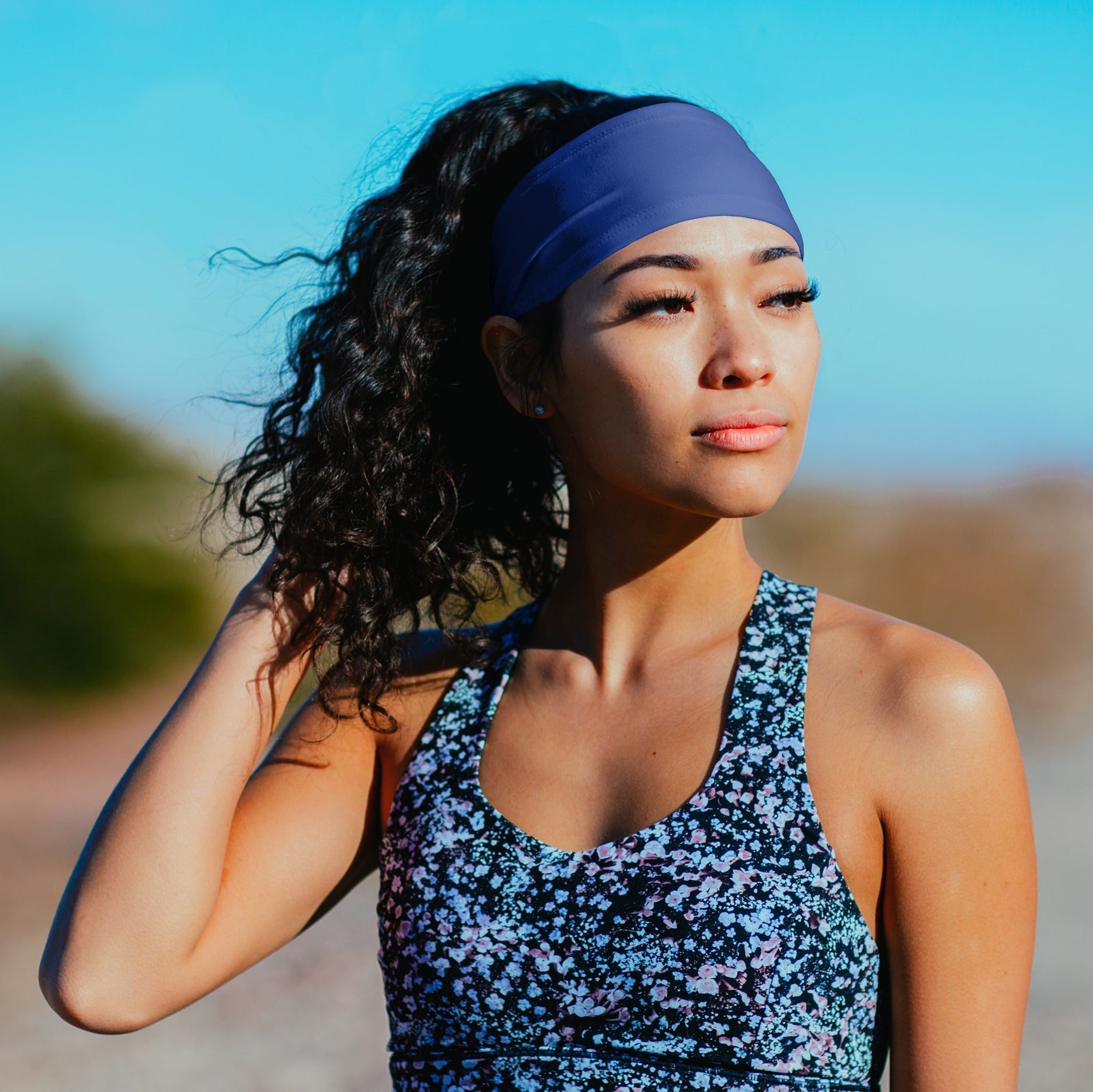
Womens Sweatbands – Which Is Best for You?
Whether you are a yoga teacher who leads four classes a day, you play field hockey for your local team or you enjoy a daily jog around your neighborhood, one sports accessory that you will find indispensable is a sweatband.
Sweatbands are used to prevent sweat from falling into your eyes as you workout and to keep your hair from getting in your way and distracting you. While sweatbands may seem like a simple item, there are many different versions and designs available, so how do you choose the right one for you?
Functional Details
If you are buying a sweatband as a sports, rather than a fashion, accessory, it should be practical and do the job that it is designed to do – enhance your comfort during your fitness endeavors.
In general, sport sweatbands are made from fabrics that wick away perspiration from your forehead to prevent that annoying eye-stinging sensation. Many sweatbands feature velvet backing for this purpose while others are made from cotton-rich fabric which is naturally absorbent.
Great fit is also important as adjusting your sweatband repeatedly is a nuisance when you are on the move. Textiles such as lycra and nylon are used to give sweatbands resilient stretch, while other sweatbands have elasticated sections to keep them in place.
Check Out: Our Awesome Range of Sports Headbands
Bringing Style to Your Workout Look
When shopping for your new sweatband, you may be surprised by the exciting selection of colors, textures and patterns available.
One-color headbands are perfect if you want to add a splash of personality to an otherwise plain outfit or are you want to wear your team’s colors.
Meanwhile, glittery, logo-printed and embroidered designs guarantee that your workout look will be anything but boring. Since sweatbands are an affordable item, why not build up a collection of them to suit your mood and look?
Extra Tips
If you exercise outdoors, why not choose a sweatband which has reflective detailing to make you more visible to passing vehicles and improve your safety?
Avoid the discomfort during winter training sessions in the great outdoors - choose a sweatband which is wide enough to offer that extra coverage needed to avoid chilly ears.
For workouts such as tennis, hot yoga or aerobics, where you will be perspiring more than usual choose a headband which offers maximum absorbency. Choose narrower sweatbands on days when your fitness routine is less strenuous.